
The Federal Reserve adjusts the federal funds rate to address inflation and unemployment trends. This rate influences banks' cost of capital, so they use it to set pricing on loans made to consumers and businesses. Lower rates can prompt a rise in stock prices, while higher rates can push stock prices lower. A pause changes expectations, not the rate itself.
The Rate Mechanism That Sets Every Other Price
The federal funds rate is what banks charge each other for overnight loans, anchoring short-term credit. This rate influences banks' cost of capital, so they use it to set pricing on loans made to consumers and businesses. The Federal Reserve adjusts the federal funds rate to address inflation and unemployment trends.
Lower rates can prompt a rise in stock prices, while higher rates can push stock prices lower. When the Fed leaves the rate unchanged, the cost of capital stays fixed, but the signal embedded in that hold shifts. Stocks respond to the rate level, but they move on the forward signal about what comes next.
Why a Hold Is Not a Neutral Event for Equities
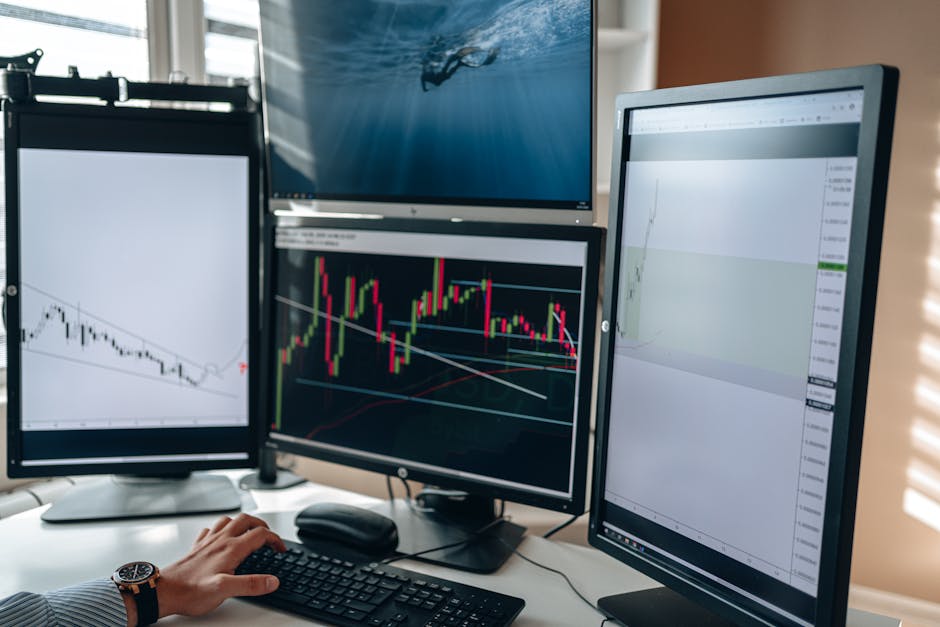 A rate hold can lift stocks when it signals an end to tightening, especially with dovish guidance. — Photo by AlphaTradeZone on Pexels
Markets price the expected path of rates, not just the current level set by the Federal Reserve. A hold during a sustained uptrend signals the Fed sees inflation as contained enough to wait. A hold after a hiking cycle signals that the tightening phase may be ending, which lifts equity multiples.
Historically high price increases occurred between 2020 and early 2023, coinciding with near-zero rate policy. A pause with dovish forward guidance can produce a larger rally than a small, expected cut. The dot plot and press conference move stocks more than the unchanged rate decision itself.
Sector Rotation Starts Before the Next Move
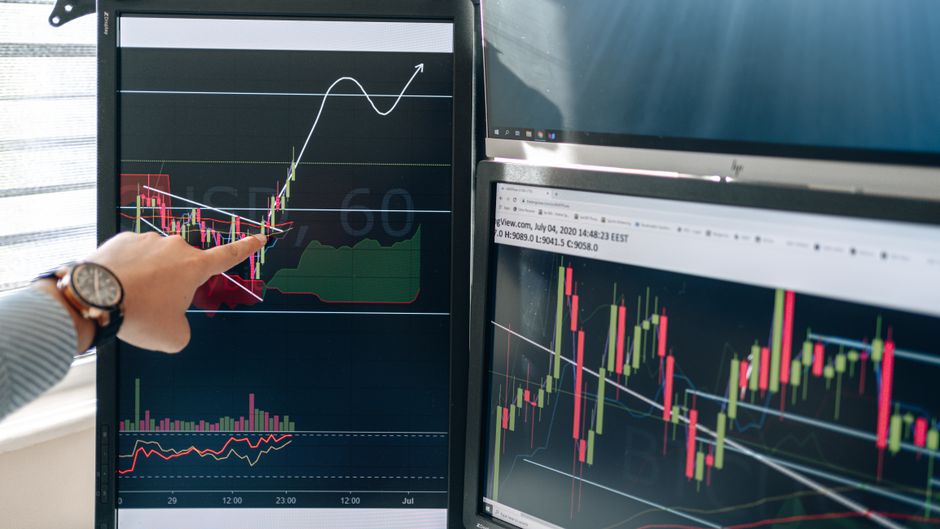 Sector performance during an extended rate pause hinges more on balance sheet structure than headline interest rates. — Photo by AlphaTradeZone on Pexels
Growth stocks with long-duration cash flows rally hardest when the Fed signals a prolonged pause. Financials often outperform during holds because their net interest margin stays stable without rate cuts. Real estate investment trusts face pressure if a hold extends longer than the market prices in.
Value stocks tied to near-term earnings are less sensitive to the duration shift a pause creates. Small caps with floating-rate debt get relief from a hold, avoiding the refinancing risk a hike would bring. Sector performance during a pause depends more on balance sheet structure than on the headline rate.
The Expectations Gap Is Where the Volatility Lives
Stock market reactions to a hold depend on how much dovishness was already priced into the market. If the Fed holds but signals higher-for-longer, equities can sell off despite no rate change. If the Fed holds and signals cuts are coming, equities can rally sharply on the same unchanged rate.
The volatility after a pause announcement comes from the gap between market expectations and Fed guidance. Intraday swings after FOMC announcements often reverse within 48 hours as expectations reset. Positioning for a pause means trading the guidance, not the rate decision on the headline.
Positioning a Portfolio for a Prolonged Pause
Duration-sensitive assets like long-duration bonds and growth equities benefit most from a clear pause signal. Investors holding cash during a pause miss the compounding that starts when the path stabilizes. A barbell of short-duration value stocks and long-duration growth names hields against guidance surprises.
Sector rotation during a pause rewards investors who track the dot plot more than the rate decision. Hedging a pause means buying protection against a hawkish surprise, not against the hold itself. The strongest returns during past pauses came after the market accepted the hold would last for months.
FAQ
What happens to the stock market when the Fed keeps interest rates unchanged?
Stocks often move sharply even when the rate stays flat. The market reacts to the Fed's forward guidance and the dot plot, not just the unchanged rate. A hold with dovish commentary can trigger a rally. A hold with hawkish signals can trigger a sell-off. The decision itself is neutral, but the communication is not.
How do Fed rate holds affect different stock sectors?
Growth stocks with long-duration cash flows rally on a pause because their future earnings get discounted at a stable rate. Financials often benefit from stable net interest margins. Real estate can face headwinds if the hold extends unexpectedly. Sector reactions depend heavily on balance sheet structure and debt maturity profiles.
Should I expect a stock market rally or decline after a Fed pause?
The direction depends entirely on the gap between market expectations and the Fed's forward guidance. If investors expected a cut and the Fed holds, equities usually decline. If investors expected a hike and the Fed holds, equities usually rally. The pause itself does not dictate the direction. The surprise embedded in the guidance does.
What is the federal funds rate and why does it matter for investors?
It is the rate banks charge each other for overnight loans. It sets the floor for banks' cost of capital. Banks use this cost to price loans for consumers and businesses. When this rate stays unchanged, borrowing costs remain fixed, but investor expectations about future rate moves still drive equity valuations.
How long do stock market reactions last after the Fed announces no rate change?
Initial reactions often last less than 48 hours as algorithmic trading adjusts to the new guidance. The longer-term move depends on how the market reprices the path of future rates over the following weeks. Sustained trends emerge only when economic data confirms or contradicts the Fed's pause rationale in subsequent reports.
What strategies can investors use when the Fed holds rates steady?
Track the dot plot and forward guidance more closely than the rate decision. Position for duration by favoring long-duration growth stocks if the pause signals stability. Hedge against hawkish surprises with short-duration value names. Avoid overtrading the initial announcement, since intraday swings frequently reverse within two days.