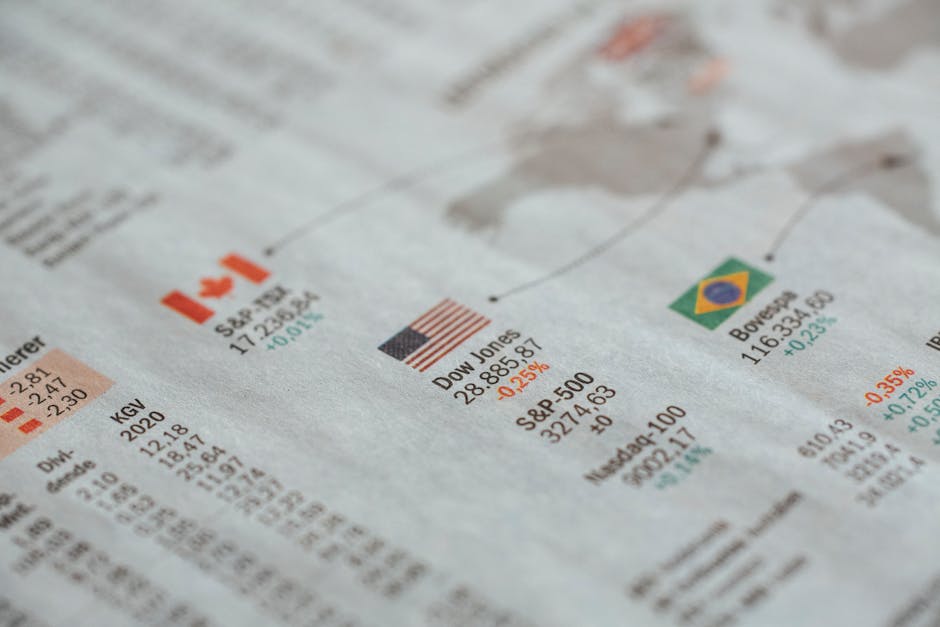
US equity screeners cover roughly 4,000 stocks. Global screeners cover 40,000+. When you constrain your value search to US markets alone, you are filtering 10% of the investable universe and competing against every other retail investor running the same screens on the same limited dataset. The real opportunity lives in the 90% of stocks that most retail tools ignore: developed Europe, Japan, South Korea, India, and emerging Southeast Asia.
The US concentration problem in retail screening
Finviz, Stock Rover, and Yahoo Finance's screener all default to US equities. Some offer ADR coverage, but ADRs represent a curated subset — typically the largest-cap, most liquid international companies. The mid-cap Japanese manufacturer with 25% ROE and zero debt does not have an ADR. Neither does the German industrial compounder trading at 8x earnings.
The numbers tell the story. As of Q1 2026, the median P/E for S&P 500 companies was 22.1x. The median P/E for Topix 500 companies in Japan was 14.8x. The median P/E for Euro Stoxx 600 components was 15.2x. If you are a value investor screening only US stocks, you are searching for cheap names in the world's most expensive major market.
This does not mean every international stock is cheap. It means the base rate of finding value is structurally higher when you expand the denominator.
What global coverage reveals: three markets US screens miss entirely
 US-focused stock screeners overlook value opportunities in Japan, South Korea, and India that global tools readily surface. — Photo by NastyaSensei on Pexels
Japan: The Tokyo Stock Exchange's push for corporate governance reform since 2023 has created a catalyst for value realization. Japanese companies sitting on excessive cash reserves (price-to-book below 1.0) are being pressured to return capital through buybacks and dividends. A screen for P/B below 1.0, ROE above 8%, and increasing buyback programs yields 80+ Japanese names — none of which appear on Finviz.
South Korea: The "Korea discount" persists because conglomerate governance structures suppress minority shareholder returns. But specific Korean names trade at 5–7x earnings with 20%+ ROE and growing dividends. Samsung SDI, LG Chem, and Hyundai Motor subsidiaries are well known, but the mid-cap Korean industrials are where the real disconnect lives.
India: The Indian equity market has expanded to 5,000+ listed companies. Most retail screeners outside India cover fewer than 200 Indian ADRs. The depth underneath — in mid-cap banking, specialty chemicals, and IT services — is accessible through IBKR or FinTara's global screener but invisible to US-centric tools.
The screener comparison: coverage gaps across popular tools
| Screener | US Stocks | International Stocks | ADR Coverage | Data Delay |
|---|---|---|---|---|
| Finviz | ~8,000 | None | ~200 ADRs | 15 min |
| Stock Rover | ~8,000 | None | ~300 ADRs | End of day |
| TradingView | ~8,000 | 40,000+ | Full | Varies |
| IBKR Scanner | ~8,000 | 40,000+ | Full | Real-time |
| FinTara | ~8,000 | 35,000+ | Full | End of day |
The gap is stark. The most popular retail screeners (Finviz, Stock Rover) offer zero direct international coverage. You are limited to whatever subset of foreign companies has chosen to list ADRs in the US — which skews heavily toward large-cap names that are already fully covered by institutional analysts.
Why multi-factor filters matter more for international stocks
 Multi-factor screens combining ROE, free cash flow yield, and debt-to-equity filters produce diversified international stock lists that avoid accounting-distorted single-metric results. — Photo by Hanna Pad on Pexels
Single-metric screens are dangerous for international stocks because accounting standards and capital structures vary by country. ROE comparisons between a US GAAP company and an IFRS company require adjustments for lease accounting, goodwill amortization, and pension obligations. A German industrial reporting under IFRS 16 may show lower ROE than an equivalent US company simply because of how operating leases are booked.
The fix: multi-factor screens that combine ROE with cash flow metrics. Free cash flow is the great equalizer because it measures actual money generated regardless of accounting regime. A screen combining ROE above 12%, free cash flow yield above 6%, and debt-to-equity below 0.5 across global markets produces a genuinely diversified list of quality value names — not the US-heavy, accounting-inflated results from single-metric screens.
Currency risk is the second dimension that US-only screens ignore. A European stock trading at 10x earnings looks cheap until the euro weakens 8% against the dollar, erasing your valuation advantage. Multi-factor global screens should incorporate currency-adjusted return expectations as a filter — or at minimum, the investor should hedge major currency exposures in positions above 5% of portfolio value.
How FinTara's global screener fills the gap
FinTara's screener covers 35,000+ equities across developed and emerging markets, with standardized metrics that normalize for accounting differences between GAAP and IFRS. The platform flags Japan governance reform candidates, Korea discount opportunities, and India mid-cap value names that US-centric tools simply cannot see. Combined with Danelfin's quantitative scoring (available for US and major European stocks), FinTara provides both the breadth to discover and the depth to validate global value opportunities that most retail investors never encounter.