Unusual insider transactions offer a window into how executives view their own company stock. Large purchases often signal confidence in future price appreciation. Tracking these moves helps investors gauge management sentiment before broader market reactions.
1. IonQ Insiders Bought Before A Sixty Percent Rally
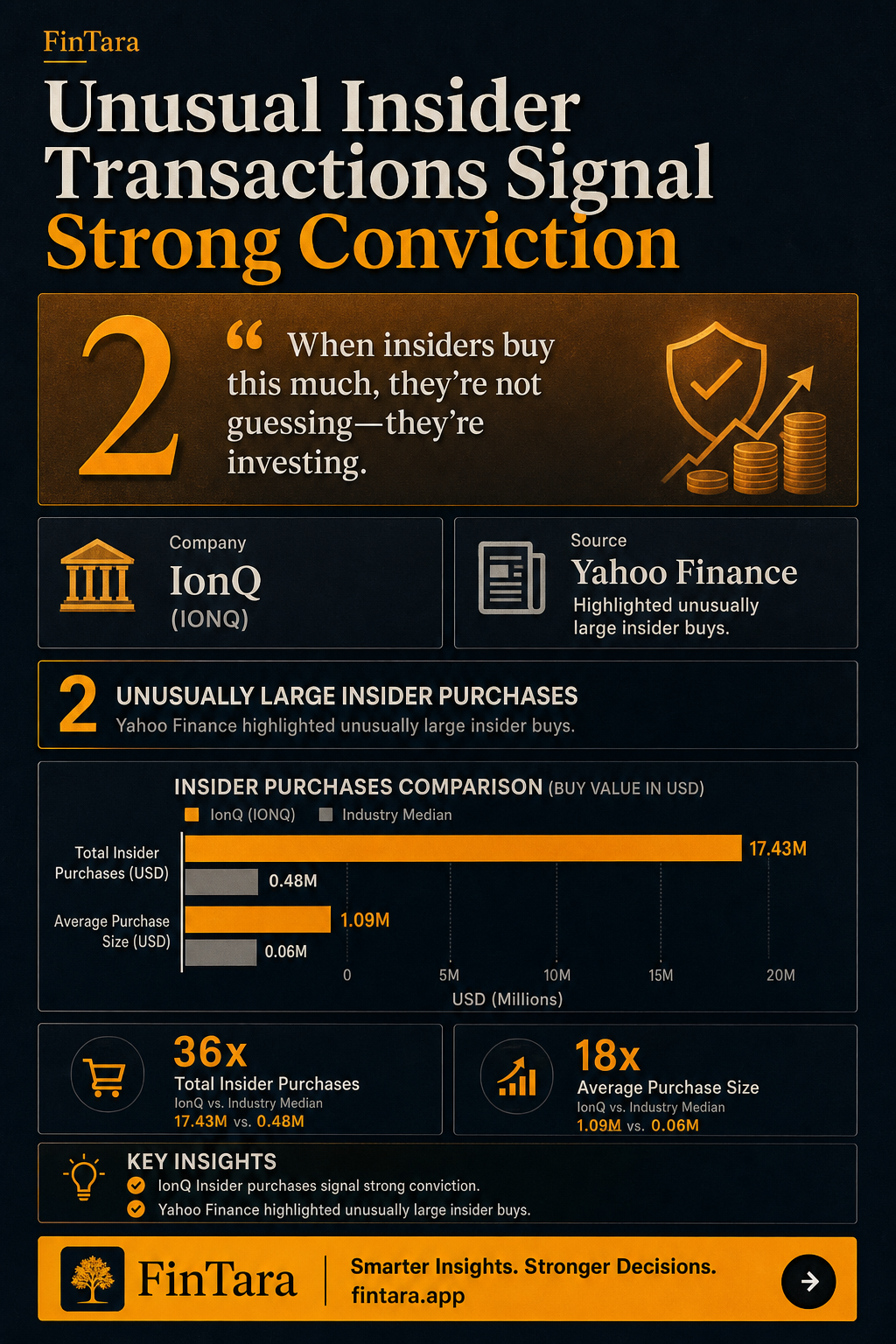
Two IonQ insiders made unusually large purchases of IONQ stock highlighted in a March 25th article on Yahoo Finance. Since those March insider buys, IONQ shares have risen nearly 60 percent according to TradingView data. IONQ shares doubled in value at one point following the reported insider purchases.
The stock price surge demonstrates how insider buying can precede major upward price movements. Investors who tracked the March purchases had a clear signal before the significant price rally.
2. Cluster Buying Shows Multiple Executives Agree
 Multiple executives buying in the same period signals broader management confidence than any individual insider transaction alone. — Photo by Atlantic Ambience on Pexels
When multiple insiders buy stock simultaneously, it creates a stronger signal than a single purchase. The IonQ case involved two insiders making large purchases, forming a cluster buy pattern. Cluster buying suggests broad confidence across the management team rather than one individual opinion.
This pattern provides stronger conviction for outside investors monitoring the stock. Monitoring tools flag these cluster transactions to identify shared executive sentiment.
3. Insider Buys Carry More Weight Than Sales
 Corporate stock acquisitions offer a clearer signal of company confidence than sales driven by personal financial needs. — Photo by Jakub Zerdzicki on Pexels
Insider buys are considered more meaningful than sales because insiders buy only when they believe the share price will increase. Insiders might sell shares for personal financial planning reasons unrelated to company health. Buying stock requires capital commitment, showing clear financial confidence in the firm.
Sales can stem from diversification needs or tax obligations, making them ambiguous signals. Tracking purchases filters out noise and focuses on definitive confidence indicators.
4. Large Purchases Versus Routine Grant Acquisitions
Unusually large open market purchases stand out from routine stock grant acquisitions. An executive buying shares with personal capital shows stronger conviction than exercising options. Monitoring volume helps distinguish between standard compensation and deliberate investments.
Large open market buys require filing disclosures that investors can track easily. The size of the purchase matters when assessing the strength of the insider signal.
5. The March Timing Preceded Major Market Movement
The March 25th article on Yahoo Finance highlighted the IonQ insider purchases before the major price move. Timing plays a critical role in assessing the value of insider transaction data. Acting on insider buy reports requires quick analysis before the market prices the information.
The IONQ case shows that early detection of insider buys yields significant returns. Delays in tracking these filings can mean missing the primary price appreciation window.
6. SEC Form 4 Filings Reveal The Transaction Details
Insiders must file Form 4 with the SEC to disclose their stock transactions. These filings provide transaction dates, share amounts, and prices paid by insiders. Investors use SEC databases to monitor Form 4 filings for specific companies.
The filings are public record, making insider trading data accessible to retail investors. Analyzing Form 4 data helps identify unusual transactions outside normal trading patterns.
7. Monitoring Management Sentiment For Future Growth
Insider transactions provide insight into how the management team feels about the company future according to Nasdaq. Executives have access to internal data that outside investors do not see. Tracking these transactions offers a proxy for management confidence in upcoming earnings.
When management buys stock, it aligns their interests with outside shareholders. This alignment signals that leadership expects growth and improved financial performance.
8. The Worst Offender Relying Solely On Insider Data
Relying solely on insider buys carries risks because the broader market can still decline. An insider might have incorrect assumptions about macroeconomic headwinds. Investors must combine insider data with fundamental analysis for sound decisions.
The absence of a detailed screening methodology limits the effectiveness of chasing tips. Blindly following insider purchases without independent research leads to poor portfolio allocation.
9. Differentiating Opportunistic Sales From Strategic Ones
Not all insider sales signal bad news as some are preplanned under rule 10b5-1. Opportunistic sales happen when insiders react to stock price peaks. Strategic sales involve planned divestitures tied to personal financial milestones.
Reviewing the trading plan disclosure helps distinguish between these two sale types. Investors should ignore preplanned sales when assessing insider sentiment indicators.
10. Historical Context For Insider Buy Correlations
Historical backtesting provides data on the correlation between insider buys and price appreciation. Stocks with heavy insider buying often outperform the market over the following twelve months. The IONQ stock doubling at one point aligns with historical insider buy trends.
However, historical data does not guarantee future results for every insider transaction. Investors use past trends to estimate probabilities rather than certainties in trading.
FAQ
What are unusual insider transactions?
Unusual insider transactions are stock purchases or sales by executives that fall outside their normal trading patterns. Large volumes, cluster buying, or sudden changes in transaction frequency trigger alerts. These transactions often signal that insiders hold strong beliefs about the upcoming direction of the stock price.
How can I find insider buying signals?
Investors can find insider buying signals by monitoring SEC Form 4 filings, which executives must file after trading company stock. Financial news platforms track these filings and highlight large or unusual purchases. Using screening tools helps filter out routine grants to spot genuine open market buys.
Is insider buying a reliable indicator of stock performance?
Insider buying is a strong indicator of management confidence, but it is not foolproof. Executives can be wrong about macroeconomic conditions or industry shifts. Historical data shows positive correlations between insider buys and stock gains, but investors should combine this data with fundamental analysis.
What does it mean when multiple insiders buy stock in a company?
When multiple insiders buy stock, it creates a cluster buy pattern. This suggests broad consensus among the management team that the stock is undervalued. Cluster buys provide a stronger conviction signal than a single insider purchase because they indicate shared confidence.
Why are insider sales less important than buys?
Insider sales are less important because executives sell shares for many reasons unrelated to company health. They might need liquidity for personal expenses or diversify their investment portfolios. Buys require capital commitment, making them a definitive signal of expected price appreciation.