
S&P 600 Value is up 10.9% YTD in 2026, leading all major cap/style groups. The S&P 500 trails at 1.8%. 2025 was a size and growth market; 2026 rewards breadth and participation. Large-cap tech dominance is fading as capital rotates toward smaller companies.
Small-Cap Value Dominates While the S&P 500 Lags
S&P 600 Value is up 10.9% YTD in 2026, leading all major cap/style groups according to market data. All three S&P 400 styles including Value Core and Growth sit near 8.8% YTD returns. The S&P 500 is up only 1.8% YTD, lagging all mid and small-cap groups by a wide margin.
The Dow Jones Industrial Average rose 263.24 points to a record close of 54,349.12 on August 4 2026. The S&P 500 retreated 0.17% to 7,723.55, ending a four-day winning streak. The Nasdaq Composite dropped 0.83% to end at 26,363.44 on that same session.
Why Last Year's Growth Trade Stopped Working
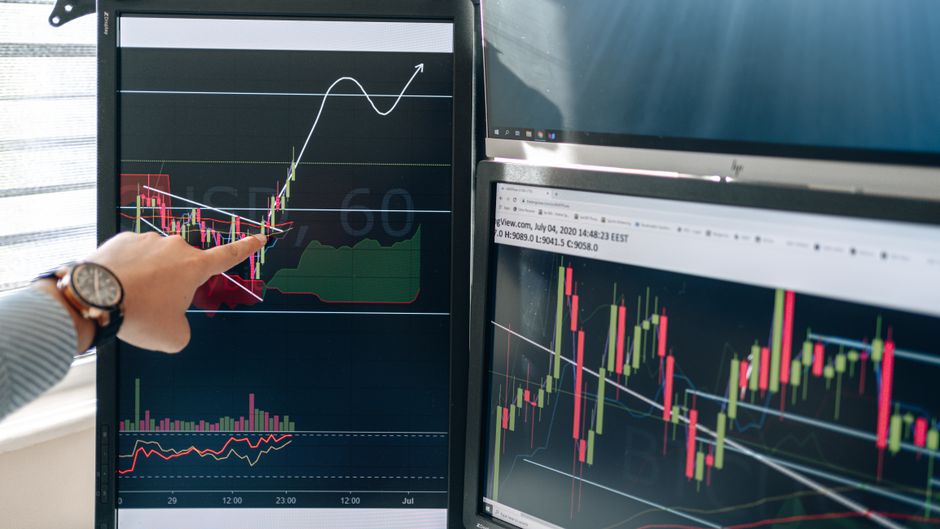 The shift from mega-cap tech to broad market participation marks the end of the growth trade. — Photo by AlphaTradeZone on Pexels
2025 was a size and growth market where mega-cap tech dominated returns and broad participation mattered less. 2026 is rewarding breadth and participation across sectors and market caps instead of concentrated tech leadership.
Communication Services ranks well on fundamentals but carries lofty valuations and concerns about AI spending. Energy sector earnings have jumped on higher oil prices, but elevated expectations and valuations are now a risk.
Advanced Micro Devices fell 7% after posting adjusted earnings that only met consensus expectations. Nasdaq underperformance signals a broader reassessment of multiples in high-growth technology names.
AI Infrastructure Spending Is Reshaping Sector Leadership
 Escalating costs for artificial intelligence buildouts are shifting market leadership and squeezing margins for capital-intensive industrial players. — Photo by Rafael Minguet Delgado on Pexels
Industrials are supported by increased capital spending in electricity capacity and AI infrastructure and defense. Nvidia shares popped more than 3% after Elon Musk said SpaceX would exclusively use Nvidia processors for AI computing.
SpaceX shares dropped more than 13% after reporting Q2 capital expenditures of $18.4 billion, a sixfold increase. The gap between Nvidia's 3% pop and SpaceX's 13% drop reveals where AI spending risk is priced. Capital-intensive infrastructure players face margin pressure as buildout costs surge across the sector.
Energy sector earnings jumped on higher oil prices, adding to the industrials tailwind from defense spending.
Positioning for Breadth Means Accepting Different Risks
S&P 600 Value's 10.9% YTD lead suggests small-cap quality is the dominant factor driving returns in 2026. Mid-cap strength across all three styles at 8.8% YTD confirms broad participation beyond speculative small-caps.
S&P 500 lagging at 1.8% YTD means concentrated large-cap exposure is a drag on diversified portfolios. Communication Services faces valuation compression risk if AI spending fails to generate expected returns.
Energy sector earnings gains are already priced in, leaving elevated expectations as the primary downside risk. Investors holding 2025-style mega-cap growth portfolios face continued underperformance if rotation persists.
What to Watch as the Rotation Matures
The Dow's record close at 54,349.12 while Nasdaq dropped 0.83% shows rotational pressure within large-caps. SpaceX's $18.4 billion capital expenditure figure sets a benchmark for AI infrastructure spending scrutiny. AMD's 7% decline after meeting earnings expectations signals zero tolerance for in-line tech results.
S&P 400 mid-cap strength at 8.8% YTD across all styles suggests rotation has further to run. Industrial sector support from electricity and defense spending provides a fundamental floor for value names. Watch for small-cap leadership to fade if credit conditions tighten or if AI infrastructure spending slows.
FAQ
What is leading the market in 2026?
S&P 600 Value leads with a 10.9% YTD return, outpacing every major cap and style group. Mid-caps follow closely, with all S&P 400 styles near 8.8%. The S&P 500 trails at 1.8%, reflecting a sharp rotation away from large-cap growth leadership toward smaller companies and value factors.
Why is the S&P 500 underperforming smaller indices?
The S&P 500's 1.8% YTD gain lags because its largest constituents carried heavy 2025 multiples. When growth expectations reset, mega-cap tech drag offsets strength elsewhere. The Nasdaq Composite dropping 0.83% on August 4 confirms this pressure. 2026 rewards breadth, not concentration in a few names.
How does AI infrastructure spending affect sector rotation?
AI infrastructure spending lifts industrials through capital investment in electricity and defense. But it punishes companies bearing the cost. SpaceX dropped 13% after reporting $18.4 billion in Q2 capital expenditures. Nvidia rose 3% on the SpaceX processor deal. The spending benefits chipmakers while pressuring capital-intensive operators.
What risks face the Energy sector after its earnings jump?
Energy sector earnings jumped on higher oil prices, but elevated expectations now pose the primary risk. Valuations have risen to reflect those earnings, leaving little room for disappointment. If oil prices stabilize or decline, the sector faces compression from both directions. Schwab flags this valuation risk clearly.
Why did AMD fall 7% despite meeting earnings expectations?
AMD fell 7% after posting adjusted earnings that only matched consensus. In a market reassessing tech multiples, meeting expectations is no longer enough. The decline signals zero tolerance for in-line results from growth names. This aligns with broader Nasdaq weakness and the rotation away from 2025's growth leadership.
Should investors shift from large-cap growth to small-cap value?
S&P 600 Value's 10.9% YTD lead over the S&P 500's 1.8% argues for reducing mega-cap concentration. But rotation can reverse quickly if credit tightens or AI spending slows. Mid-caps at 8.8% offer a middle path. The data supports tilting toward breadth, not abandoning large-caps entirely.