A Fed pause is not neutral. Stocks have often rallied in the months after the first hold that ends a hiking campaign, with the 2019 and 2006 episodes still used as reference points because the S&P 500 made strong gains once policy stopped tightening. The useful signal is not the unchanged overnight rate. It is the regime change: the Fed is no longer raising the cost of capital every meeting, and markets reprice that faster than retail narratives do.
A Pause Is a Signal, Not a Non-Event
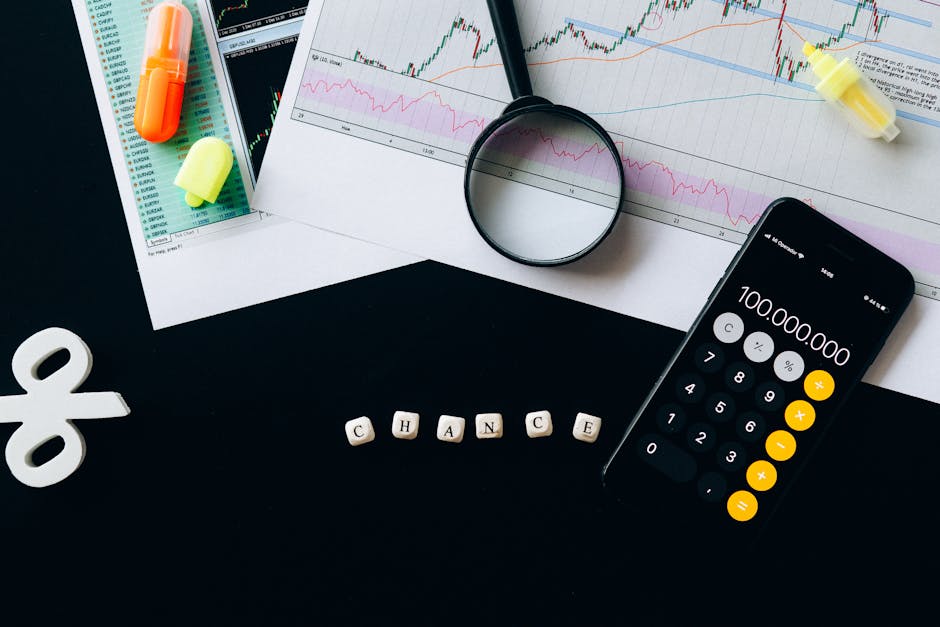
 The first hold after hikes starts unwinding the tightening premium before any cut arrives. — Photo by Nataliya Vaitkevich on Pexels
The federal funds rate is the overnight rate banks charge one another. It sets the base for a wide range of consumer and business borrowing costs. When the Fed hikes, financial conditions tighten. When it cuts, they ease. A hold sits between those two actions, which is why it gets dismissed as boring. That reading misses the information content.
A hold after a sustained hiking cycle usually means the committee sees enough progress on inflation, enough risk to growth, or enough cumulative tightening already in the system to stop. That is a different policy function from "we might hike again next meeting." Multiples, credit spreads, and sector leadership all respond to that shift in the distribution of future rates, not to the fact that today's target range is unchanged.
This is also why comparing a hold during a hiking cycle with a hold during an easing cycle is lazy analysis. Context decides the sign. A first pause after hikes often compresses a tightening premium. A pause after cuts can mean the Fed is done helping. Same verb, opposite market meaning.
Markets Price the Path, Not the Level
 Markets reprice the odds of the next move, not the level of today's rate. — Photo by Nataliya Vaitkevich on Pexels
In prior cycles, some of the largest equity responses around policy meetings arrived when guidance changed, not when the rate moved by 25 basis points. That pattern is mechanical. Equity valuations discount expected cash flows with a rate path and a risk premium. A hold that lowers the odds of further hikes can support prices even if the current funds rate stays high.
Bond markets usually move first. The front end of the Treasury curve is a cleaner read on near-term Fed expectations than any post-meeting equity headline. Credit spreads matter too. If a pause arrives with widening high-yield spreads and falling cyclicals, the market is reading growth risk, not relief. If the curve bull-steepens and spreads are stable, the market is reading lower policy risk.
Ultra-low inflation, then the 2021-2023 inflation spike, put the funds rate back at the center of every asset-allocation meeting. That environment trained investors to treat every FOMC outcome as binary: hike or cut. Holds break that habit. The committee can stop tightening long before it is ready to ease, and those intermediate months are exactly when sector leadership often rotates.
Why Sectors Do Not Move Together
Rate-sensitive parts of the market tend to lead when the first post-hike hold is read as dovish: homebuilders, utilities, and other long-duration cash-flow businesses. Lower expected future rates support the present value of distant cash flows and can stabilize housing demand once mortgage-rate expectations stop rising every month.
Banks are a different story. A hold can cap further net-interest-margin expansion just as loan growth is slowing. That is not automatically bearish for every bank, but it is why financials often lag the first relief rally even though lower rate volatility can help later. Consumer discretionary sits in the middle: helpful if households see borrowing costs plateau, unhelpful if the pause is really a late-cycle growth warning.
The practical point is dispersion. During hiking and cutting cycles, the macro factor can dominate and drag many sectors in one direction. During a pause, stock-picking and sector selection matter more because the market is no longer trading a one-way policy impulse. Treating "the market" as a single bet on the hold is how investors buy the wrong duration at the wrong time.
Positioning That Respects the Hold
Treat the first hold after hikes as a process checkpoint, not an all-clear.
First, separate relief from recession. If the pause comes with a still-inverted curve un-inverting into weaker data, defend quality and liquidity. If it comes with cooling inflation, stable employment, and orderly credit, rotate toward the parts of the market that were punished mainly by the tightening path.
Second, do not pay cut prices before cuts exist. High-multiple growth can rally on the first hold, then stall if the Fed stays on hold for months. Own the duration you can justify with earnings, not with a hoped-for 100 basis points of easing that is still only in futures pricing.
Third, watch transmission into household credit. Card, auto, and other consumer loan rates generally follow the funds rate with a lag. A pause freezes the tightening impulse; it does not instantly reopen cheap credit. Housing and discretionary demand respond to expectations and to the level of rates, not to the meeting adjective alone.
Fourth, use the bond market as the governor. If two-year yields and credit spreads disagree with the equity narrative, believe the rates complex until equities catch up. Equity headlines are louder. Front-end yields are usually more honest about the path of policy.
FAQ
What happens to stocks when the Fed holds rates unchanged?
Often they rise after the first hold that ends a hiking cycle, because the market stops pricing repeated tightening. The move is about forward guidance and the expected path of rates, not about the overnight rate sitting still for one meeting. Growth scares can override that pattern.
How do Fed decisions affect stock prices?
They change the discount rate on future earnings and reshape expectations for financial conditions. Hikes tighten, cuts ease, and holds rewrite the odds of the next move. Multiples and sector leadership respond to that probability shift.
Should investors sell just because the Fed pauses?
History does not support a mechanical sell rule on the first post-hike hold. The better question is whether the hold is relief after sufficient tightening or the early stage of a growth problem. Credit spreads and the yield curve help separate those cases.
Which sectors tend to lead after a pause?
Rate-sensitive areas such as homebuilders and utilities often lead when the hold is read as the end of tightening. Banks can lag if margin expansion stalls. Consumer names split based on whether households get rate relief or a slowdown signal.
How does the funds rate hit personal borrowing costs?
Banks' funding costs and benchmark rates feed into cards, auto loans, and many floating-rate products. A pause usually stops the next upward reset in that chain. It does not immediately restore the cheap-credit regime that existed before the hiking cycle.
How long do pauses last?
As long as the data allow. The 2019 pause eventually gave way to cuts when growth cooled. The mid-2000s pause lasted much longer before policy turned again. The calendar is not the trigger. Inflation, labor, and financial conditions are.